Clean drinking water is essential for a healthy life, but it’s not always guaranteed. Harmful bacteria, viruses, and other contaminants can find their way into your water supply, putting your family’s health at risk. The good news? You can protect yourself by understanding these threats and using the right water filtration system.
Understanding Drinking Water Contamination: Bacteria, Viruses, and Other Threats
Your drinking water may look clear, but it could still contain dangerous microorganisms that are invisible to the naked eye. Let’s break down some of the most common waterborne threats.
Common Waterborne Pathogens: Bacteria, Viruses, and Cysts
Bacteria in Water Bacteria like E. coli, Salmonella, and Legionella can cause serious illnesses. These harmful bacteria often enter water supplies through contaminated runoff, aging pipes, or untreated water sources.
Viruses in Water Viruses such as Norovirus, Hepatitis A, and Rotavirus are easily spread through contaminated water. Even a small amount of these viruses can lead to significant health problems, especially in children and older adults.
Protozoan Cysts in Water Parasites like Giardia and Cryptosporidium are especially concerning because they are resistant to chlorine. This makes them harder to eliminate through traditional water treatment methods, increasing the risk of infection.
How Bacteria Regrowth Impacts Drinking Water Quality
Even if water is treated at the source, bacteria can regrow in the distribution system, reducing the quality of your drinking water by the time it reaches your home.
WHY DO I NEED WATER FILTER TO REMOVE BACTERIA AND VIRUSES?Because the symptoms from exposure to harmful bacteria and viruses includes gastrointestinal issues, meningitis, hepatitis, and other very serious diseases, it is important to consider a water filter for bacteria and viruses.Click on image to learn more
Bacteria Regrowth in Water Distribution Systems
Water Storage Tanks and Contamination Storage tanks can also become a breeding ground for bacteria if they aren’t properly maintained. Stagnant water encourages bacterial growth, increasing the risk of contamination.
The Role of Chlorine and Disinfection By-Products (DBPs) While chlorine is an effective disinfectant, over time, it can break down and form harmful by-products (DBPs). High levels of DBPs in drinking water are linked to health risks, making proper filtration even more critical.
Aging Pipes and Bacteria Regrowth Old, corroded pipes create the perfect environment for bacteria to grow. Rust and sediment in these pipes can harbor harmful microorganisms.
Water Filtration: Your Best Defense Against Contaminated Drinking Water
Installing a home water filtration system is one of the best ways to protect your family from harmful contaminants.
Why Choose a Home Water Filter for Contaminated Water?
Protecting Your Family from Waterborne Pathogens A reliable water filter reduces bacteria, viruses, and parasites, ensuring your drinking water is safe and clean.
Improving Water Taste and Odor Filters can eliminate unpleasant tastes and odors caused by chlorine, sediment, and other impurities.
Reducing Exposure to Chlorine and DBPs High-quality filtration systems reduce chlorine and disinfection by-products, improving the overall safety and quality of your water.
Choosing the Right Water Filtration System for Your Needs
Not all water filtration systems are the same. Selecting the right one depends on your specific needs and the level of contamination in your water supply, and it’s important to conduct a home water testing to know what’s in your water.
Types of Water Filters for Contaminated Drinking Water
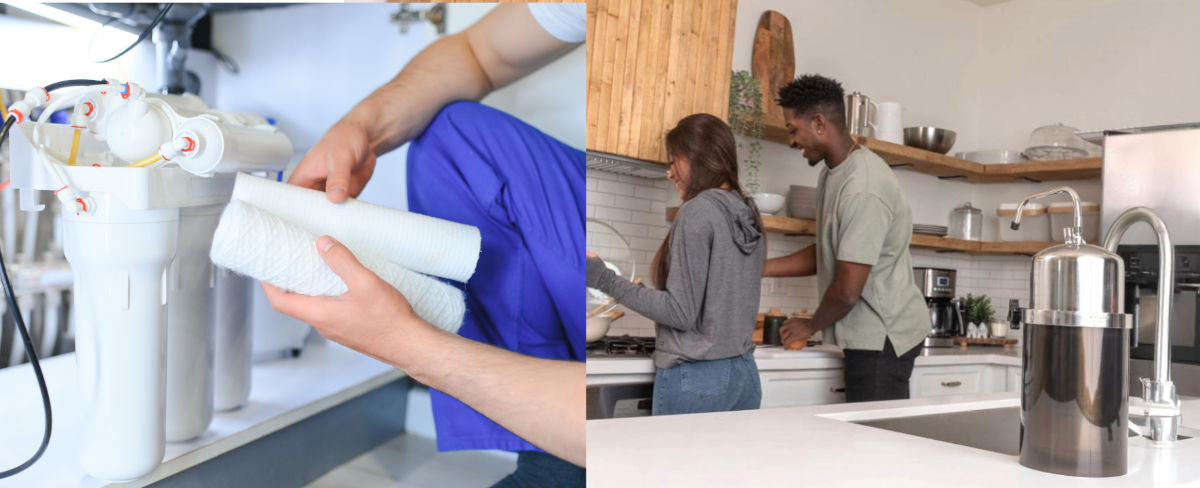
Countertop Water Filters Easy to install and ideal for filtering drinking water at the tap.
Undersink Water Filters Installed under the sink to provide continuous access to clean, filtered water for cooking and drinking.
Whole-House Water Filters These systems filter water at the point of entry, providing clean water throughout your home.
Shower Filters Reduce chlorine exposure and improve skin and hair health.
Carafe Filters Convenient and portable, carafe filters are perfect for small households.
Portable Water Filters Great for outdoor activities, camping, and emergency preparedness.
Benefits of Filtering Contaminated Drinking Water
Investing in a home water filtration system offers multiple long-term benefits for your health and wallet.
The Advantages of a Home Water Filtration System
Cost-Effective Clean Water Solutions While bottled water can be expensive, a filtration system provides unlimited access to clean water at a fraction of the cost.
Long-Term Health Benefits of Filtered Water Reducing exposure to contaminants can improve your health, lower the risk of disease, and boost your family’s overall well-being.
Peace of Mind for Your Family’s Health With a filtration system in place, you’ll never have to worry about what’s in your water.
Conclusion
Contaminated drinking water is a real threat, but you have the power to protect your family. By understanding the risks and investing in a reliable water filtration system, you’ll enjoy cleaner, safer water and peace of mind.
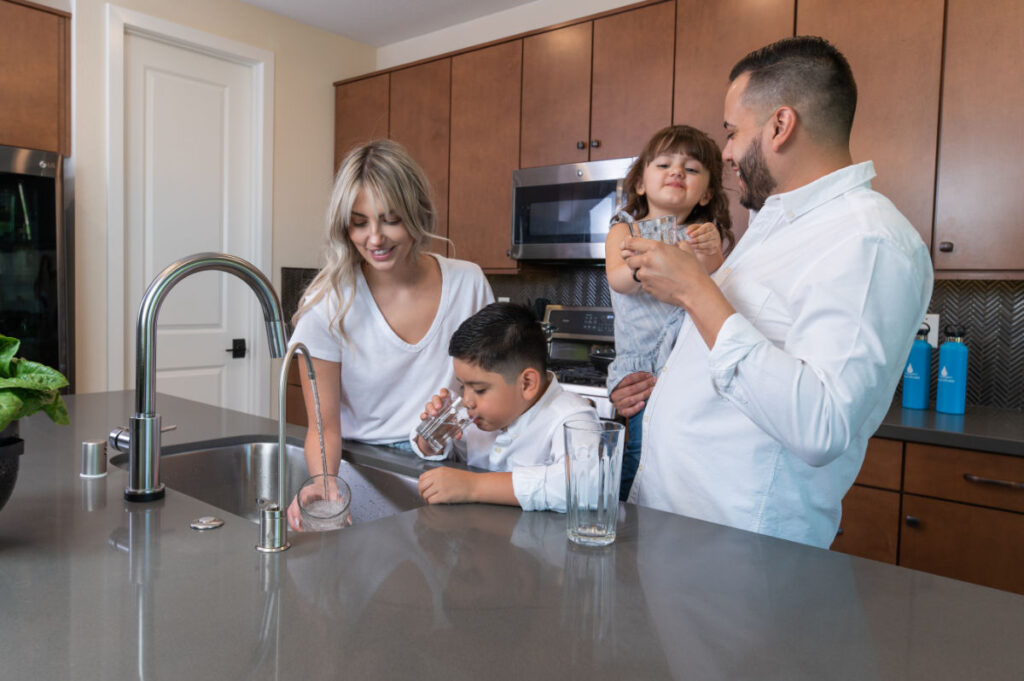
This family is enjoying the benefits of filtered water from a Multipure (solid carbon block) undersink water filter. The filter highly effective in reducing harmful contaminants from your water, ensuring your family has access to cleaner and healthier drinking water-24/7.
Ready for Cleaner, Better‑Tasting Water?
Protect your health with a filtration system that meets real performance standards. Multipure’s solid carbon block filters are NSF‑certified to reduce contaminants that affect taste, smell, and safety.
Are you concerned about your drinking water quality? Access to clean and safe drinking water is essential for maintaining a healthy lifestyle. With so many water filtration options available, it can be challenging to choose the right one for your needs. This comprehensive guide will help you compare carafe filters, countertop systems, undersink filters, whole house systems, and portable…
When it comes to clean, safe drinking water, it’s easy to get confused by all the information (and misinformation!) out there. Lots of myths about water filtration can lead to bad choices about how you treat your water. This post busts the top ten myths, giving you the facts you need for healthier, better-tasting water. Conclusion: Get the…
Many people assume that tap water is perfectly safe to drink without a filter. After all, cities and towns treat water before it reaches your faucet. But is that enough? Even if your tap water looks clean, it may still contain contaminants that could affect your health over time. In this article, we’ll break down…
Clean drinking water is essential to life—but the terms used to describe it can be confusing. This glossary explains everything you need to know about drinking water quality, treatment processes, and common contaminants — from TDS and turbidity to reverse osmosis and PFAS. This guide uses easy-to-understand language to explain common terms, testing, and treatment methods for safe drinking water. For…
Understanding What’s Happening to Your Tap Water Across the country, recent weather patterns have been putting added pressure on public drinking water systems. In states such as Oregon, Colorado, Utah, and California, record-low snowpack and expanding drought conditions are reducing the amount of clean water flowing into reservoirs. Less source water means utilities must work harder…
In the Beginning Once drinking water leaves a treatment plant, many people assume it stays exactly the same until it reaches their home. In reality, treated water often spends hours—or even days—stored in public water storage tanks, including the tall water towers seen across towns and cities, before entering neighborhood pipes. While treatment plants meet strict safety…