
Many people judge their tap water by how it looks. If it’s clear and odorless, it must be safe—right? Unfortunately, that’s not always true. Some of the most common drinking water concerns are invisible, tasteless, and odorless.
Understanding what can’t be seen in water is just as important as noticing what can.

Invisible Contaminants in Drinking Water
Some contaminants don’t change the appearance of water at all, including:
- Bacteria that can regrow in plumbing systems
- Dissolved metals such as lead or copper
- Disinfection byproducts formed during water treatment
Even treated municipal water can change as it travels through miles of pipes before reaching your home.
Why Water Quality Can Change Inside Your Home
Water quality doesn’t stop at the treatment plant. Inside homes, factors such as:
- Aging pipes
- Low water pressure
- Biofilm buildup
- Temperature changes
can affect the final quality of the water coming out of the tap.
Why Taste and Smell Aren’t Reliable Indicators
Some harmful substances don’t have a noticeable taste or smell. By the time water does taste unusual, quality issues may already be present.
Protecting Drinking Water Quality
Staying informed is the first step. Many homeowners choose to add an extra layer of protection at the point of use—especially for drinking and cooking water.
Clear Water Doesn’t Always Mean Clean Water | Frequently Asked Questions
These quick FAQs cover the most common questions about water quality inside the pipe that brings water to your homes, and home filtration types so you can make informed decisions about the water you drink every day.
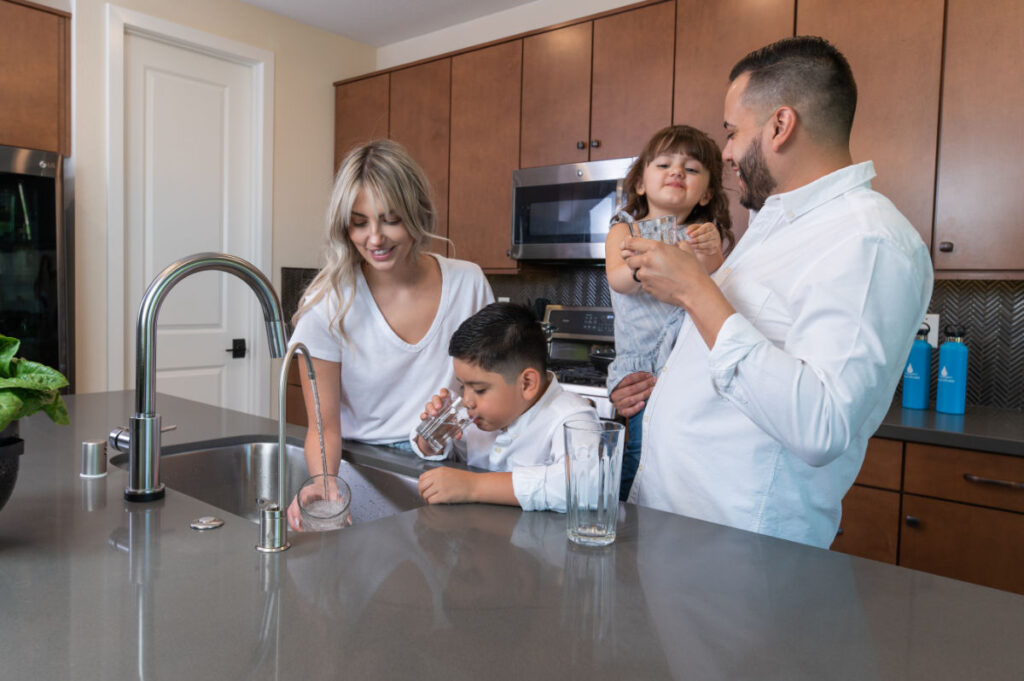
Ready for Cleaner, Better‑Tasting Water?
Protect your health with a filtration system that meets real performance standards. Multipure’s solid carbon block filters are NSF‑certified to reduce contaminants that affect taste, smell, and safety.


