Most of us think that if our water comes from a city treatment plant, it’s perfectly clean. While the city does a great job of killing germs, that protection doesn’t always last until the water reaches your kitchen.
To truly ensure drinking water safety, you have to think about the “final mile”—the long trip water takes through old underground pipes to get to your house.
How Public Water Disinfection Works
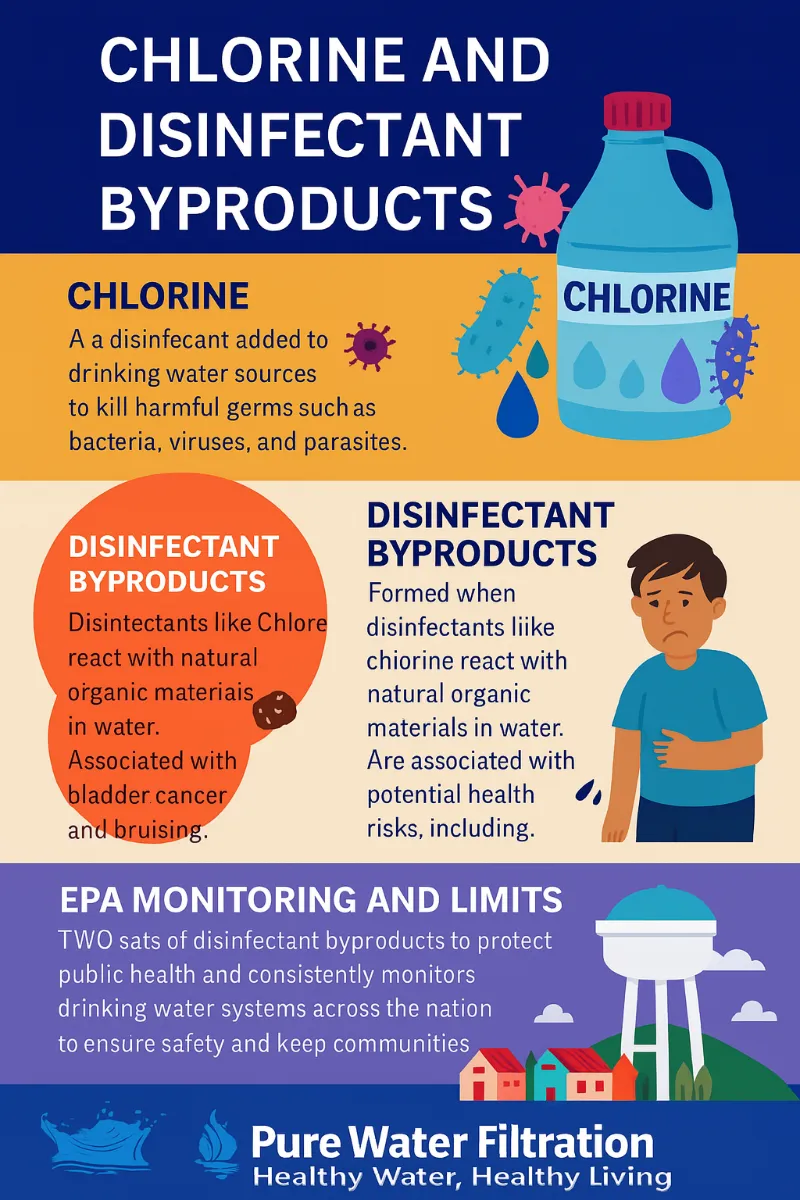
Most cities use chemicals like chlorine or chloramine to “scrub” the water of harmful bacteria and viruses. Think of these chemicals as a protective shield. They are highly effective at the source, but like a battery, their power can drain over time. By the time water travels miles through underground distribution systems, that “shield” may have weakened significantly.

Why “Clean” Water from Public Treatment Plant Can Get Dirty Again
Cities add chemicals like chlorine to kill bacteria. It works well, but as water travels miles to your home, that chlorine starts to fade. By the time it reaches your faucet, the water might not have enough “cleaning power” left to stay safe.
The Hidden Risk: Bacteria Regrowth in Your Pipes
Even in treated water, tiny amounts of germs can survive and multiply. This is called bacteria regrowth. It usually happens because:
You Are the Final Line of Defense for Tap Water Quality
While you can’t control the city’s infrastructure, you have total control over the water that enters your home. While the city is responsible for the water until it reaches your property, after that, tap water quality is up to you.
Because you can’t see what’s happening inside the city’s old pipes, the smartest move is to add a final layer of protection right at your sink. A certified water filter acts like a security guard for your home, catching the bacteria and chemicals that the city treatment might have missed.
Think of a home filtration system as the “final guard.” It catches the organic matter, sediments, and bacteria that may have entered the water long after it left the treatment plant. It’s the only way to ensure that “treated water” actually stays “clean water” when it reaches your glass.
Don’t leave your water quality to chance. The best way to neutralize regrowth and pipe contaminants is with a system designed for the home. Explore Certified Water Filters
FAQs: Simple Answers About Keeping Tap Water Safe
Making sure your drinking water stays safe is about more than just what happens at the treatment plant. Even after water is disinfected, there can still be risks—like bacteria regrowing in pipes or water losing its protective chemicals as it travels to your home. These FAQs explain how disinfection works, why bacteria might come back, and what you can do to help protect your tap water.
Ready for Cleaner, Better‑Tasting Water?
Protect your health with a filtration system that meets real performance standards. Multipure’s solid carbon block filters are NSF‑certified to reduce contaminants that affect taste, smell, and safety.