
The Hidden Winter Risk in Your Tap Water
When winter temperatures drop, most homeowners focus on heating costs, icy roads, and snow-covered driveways. What often gets overlooked is how cold weather can quietly impact drinking water quality inside the home.
Frozen pipes are well known for causing bursts and expensive water damage. But even without a visible leak, freezing temperatures can change what flows out of your tap. From discolored water to invisible contaminants, winter conditions can compromise the safety, taste, and reliability of your household drinking water.
Understanding how freezing affects water quality is an important step toward protecting your home and your family’s health.
What Happens to Drinking Water When Pipes Freeze
Water behaves differently than most liquids. Instead of shrinking when it freezes, water expands. When temperatures around pipes fall below 32°F (0°C), ice begins forming along the inner pipe walls.
As ice builds, it restricts water flow and creates pressure inside the pipe. The danger comes when liquid water becomes trapped between an ice blockage and a closed faucet. With nowhere to go, pressure increases rapidly—often far beyond what plumbing systems are designed to handle.
Even if pipes don’t burst, this stress can weaken plumbing materials and affect water quality long after the freeze ends.
1. Why Your Water May Look or Smell Different After a Freeze
One of the most noticeable effects of freezing pipes is a change in water appearance.
Sediment and Rust in Tap Water
Over time, minerals and rust naturally collect inside pipes. When water freezes and expands, it can loosen these deposits. Once temperatures rise and water begins flowing again, these particles are carried into your drinking water.
This may cause:
While this discoloration may fade after flushing, it’s a sign that your plumbing system—and your water quality—has been disrupted.
Cloudy or “Milky” Water
After cold weather, water may appear white or cloudy. This is usually caused by tiny air bubbles trapped in the water due to pressure changes. Although it often clears within minutes, it still signals stress within your plumbing system.
2. The Invisible Threat: Bacteria and Contaminants
The most serious winter water quality risks can’t be seen. Freezing temperatures can cause small cracks or weakened joints in pipes that remain hidden behind walls or underground.
When water pressure drops—a common event during freezes or plumbing repairs—backsiphonage can occur.
What Is Backsiphonage?
Backsiphonage is a form of backflow that happens when a pressure drop creates a vacuum inside water lines. This vacuum can pull outside contaminants into your plumbing system through tiny cracks or openings.
Possible contaminants include:
According to the U.S. Environmental Protection Agency (EPA), maintaining positive water pressure is critical for keeping contaminants out of drinking water systems. Frozen or damaged pipes weaken this protection, increasing contamination risk without obvious warning signs.
3. Freezing Pipes and Heavy Metals in Drinking Water
In older homes, winter plumbing stress raises another concern: lead and copper exposure.
Many older plumbing systems use:
Repeated freezing and thawing can damage the protective mineral coating (called pipe scale) that normally prevents metals from leaching into water. When this layer cracks, lead and copper can dissolve into drinking water.
The Centers for Disease Control and Prevention (CDC) warns that no level of lead in drinking water is considered safe, especially for infants and children.

Frequently Asked Questions
Why Winter Drinking Water Quality Matters
Cold weather doesn’t just threaten pipes—it can quietly reduce the quality of the water you drink every day. Even if your water looks clear, winter-related plumbing stress can increase the risk of contamination, sediment, and heavy metals.
Protecting winter water quality means:
How to Protect Your Drinking Water Year-Round
Municipal treatment systems do their job, but they can’t control what happens inside your home’s plumbing—especially during winter. That’s why many homeowners choose certified point-of-use water filtration for drinking and cooking water.
High-quality carbon block water filters are designed to reduce:
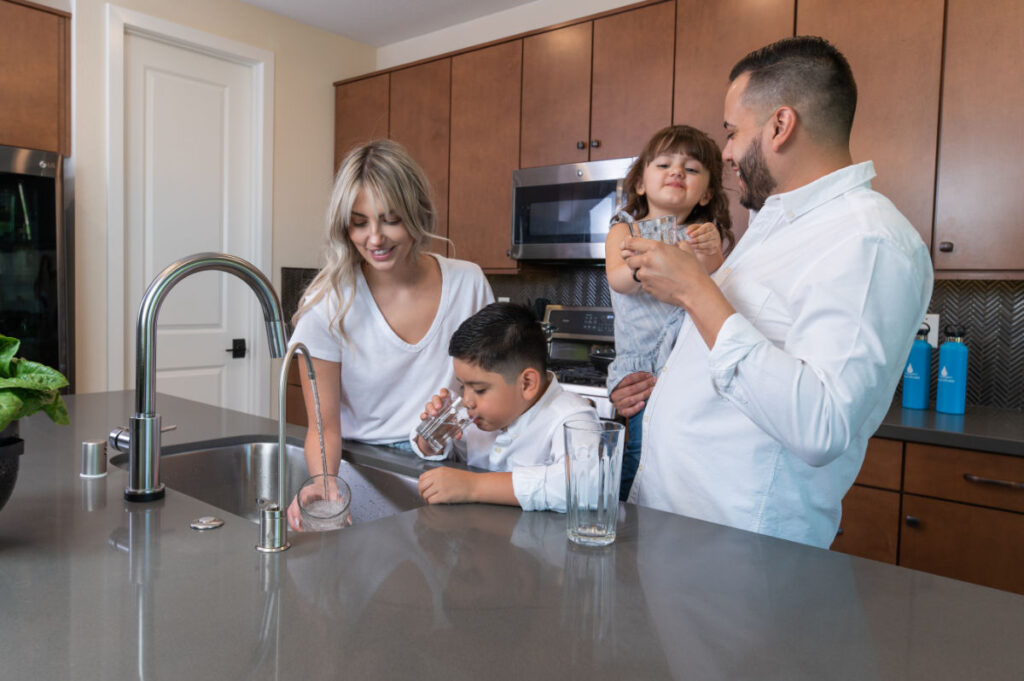
Ready for Cleaner, Better‑Tasting Water?
Protect your health with a filtration system that meets real performance standards. Multipure’s solid carbon block filters are NSF‑certified to reduce contaminants that affect taste, smell, and safety.


