Protecting Your Home: Understanding Water Testing Scams and Ensuring Safe Drinking Water
Many people assume that tap water is perfectly safe to drink without a filter. After all, cities and towns treat water before it reaches your faucet. But is that enough? Even if your tap water looks clean, it may still contain contaminants that could affect your health over time.
In this blog post, we’ll break down the truth about tap water quality, the hidden contaminants that may be present, and why a water filter might still be a smart investment. However, we’ll also address the growing problem of fraudulent water testing scams, and how to protect yourself and your family.
Is Tap Water Safe to Drink?
Municipal water is treated to remove harmful bacteria, heavy metals, and other dangerous substances. However, that doesn’t mean it’s 100% pure. Here’s why:
- Aging Water Infrastructure: Many cities rely on decades-old pipes that can leach lead, rust, and other contaminants into drinking water.
- Legal Limits vs. Safe Limits: The EPA sets legal limits on contaminants, but that doesn’t mean water is completely free from harmful substances.
- Chlorine and Disinfection By-Products: Water treatment plants use chlorine to kill bacteria, but chlorine itself can react with organic matter to form harmful by-products.
Hidden Contaminants in Tap Water
Even if your water looks, smells, and tastes fine, it could still contain:
Contaminant | Potential Health Risks | How It Gets in Water |
Lead | Brain damage, developmental issues in children | Old pipes, plumbing corrosion |
Chlorine & By-Products | Skin irritation, cancer risk | Water treatment process |
Nitrates | Harmful for infants, linked to blood disorders | Agricultural runoff |
PFAS (“Forever Chemicals”) | Hormone disruption, cancer risk | Industrial waste, firefighting foam |
Bacteria & Viruses | Stomach issues, infections | Contaminated water sources |
Should You Use a Water Filter?
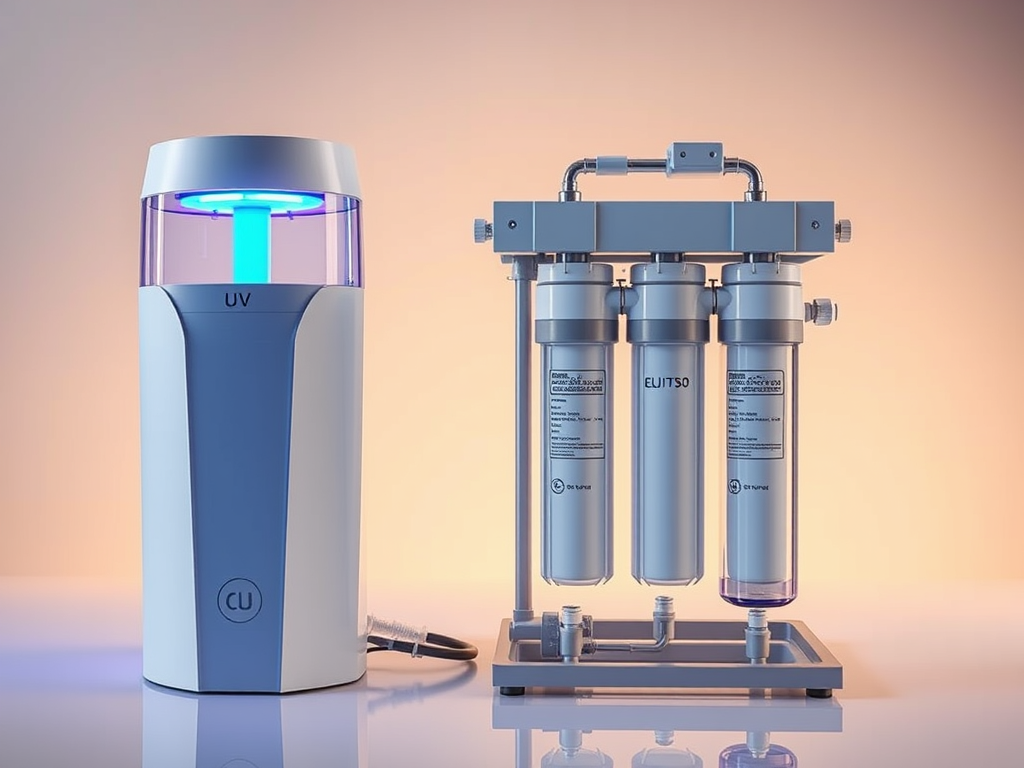
While tap water meets basic safety standards, filtration offers an extra layer of protection. Here’s how different types of filters help:
Understanding Water Testing Scams
Water quality is a significant concern, and many homeowners seek testing to ensure their drinking water is safe. Unfortunately, scammers exploit this fear by offering fraudulent water tests to sell expensive or unnecessary filtration systems. Recognizing these testing scams can help you protect your drinking water and make informed decisions.
Common Types of Water Testing Scams
- Fake Water Test Kits: Companies send misleading DIY test kits that exaggerate contamination levels.
- High-Pressure Sales Visits: A salesperson conducts an unscientific test at your home to push overpriced filters.
- Bogus Free Water Tests: Companies claim to offer a free test but use deceptive tactics to sell unnecessary equipment.
- False Health Claims: Scammers falsely claim your water contains hazardous contaminants without legitimate testing.
- Impersonation of Government Agencies: Some scammers pose as government inspectors to gain trust.
- The “Magic Potion” Trick: Door-to-door scammers will often use a fake “test kit” and add a chemical to your water that makes it look cloudy or discolored, falsely implying contamination. They then apply high-pressure sales tactics to convince you to buy their expensive filtration system immediately.
Real-Life Cases of Water Testing Scams
Case | Description | Source | Date/Year |
FTC Shuts Down Water Testing Scam | The FTC took action against a fraudulent water filtration scheme that used deceptive water test results to sell expensive filters. | FTC Press Release | 2020 |
Attorney General Warns Against Door-to-Door Water Testing Scams | Michigan’s AG warned residents about scammers pretending to be water testers to push unnecessary filtration products. | Michigan AG Consumer Alert | 2021 |
Residents Report Fake Water Testers Targeting Neighborhoods | Reports surfaced of people posing as water inspectors to gain entry into homes and sell overpriced water treatment systems. | ABC15 News | 2022 |
State Officials Issue Warning on Water Testing Scams | Ohio’s AG office cautioned consumers about deceptive water testing sales tactics used to manipulate homeowners. | Ohio Attorney General | 2021 |
Better Business Bureau (BBB) Alerts on Water Purification Scams | The BBB issued warnings about door-to-door water testers using fake contamination claims to sell filtration products. | BBB Scam Alert | 2023 |
How to Spot a Water Testing Scam
- Unsolicited Offers: Be wary of unexpected phone calls, emails, or door-to-door visits offering free water tests.
- Fake Credentials: Scammers may claim to be affiliated with government agencies or certified labs.
- Scare Tactics: Fraudulent testers exaggerate contamination results to create panic.
- Immediate Sales Pressure: Legitimate water testing services will not pressure you into purchasing a filtration system on the spot.
- No Independent Verification: Always cross-check results with a reputable, certified laboratory.
- The “Magic Potion” Red Flag: If someone adds a liquid to your water that instantly changes its appearance, be highly suspicious. This is a common tactic used by scammers.
How to Test Your Water Safely
Instead of relying on dubious companies, use these legitimate methods to test your water:
- EPA-Certified Labs: Find accredited labs through the EPA’s website.
- State Health Departments: Many states offer free or low-cost water testing.
- NSF-Certified Test Kits: Purchase from trusted sources with NSF certification.
- Local Water Reports: Request annual reports from your municipal water provider.
Conclusion: Do You Really Need a Filter?
If your tap water meets legal standards, does that mean it’s truly safe? Not always. Even treated water can contain contaminants that impact your health over time. A quality water filter can reduce your exposure to harmful substances and provide peace of mind.
Protecting Yourself from Water Testing Scams:
Remember, no legitimate water testing company will pressure you into buying a system on the spot, or use fake chemical reactions to scare you. Always verify credentials, seek independent testing, and be wary of unsolicited offers.
So, while your tap water might seem fine, filtering it and using reputable testing methods ensures that you and your family are drinking the cleanest, safest water possible.
Ready for Cleaner, Better‑Tasting Water?
Protect your health with a filtration system that meets real performance standards. Multipure’s solid carbon block filters are NSF‑certified to reduce contaminants that affect taste, smell, and safety.